

Types of industrial paint
Types of industrial paints with unique features and applications play an important role in the lifetime of surfaces. Therefore, knowing the types of industrial paints and their role in increasing the useful life and efficiency of industrial equipment is considered a key point.
Epoxy color
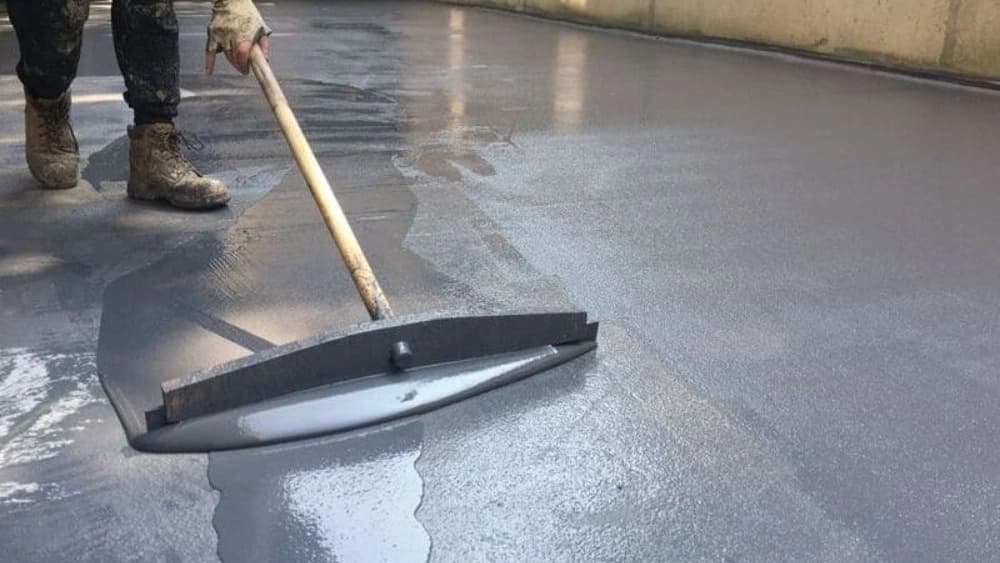
Polyurethane color
This type of paint is used for various applications in the industry due to its special characteristics, including high flexibility, resistance to scratches, heat and environmental conditions.
Silicatic paint
Silicate paint is a type of industrial paint that is usually used to cover mineral surfaces such as stone, concrete and brick, and has high resistance to heat and environmental factors.
Oil paint
These types of paints are in the form of powder and are applied on metal surfaces by electrostatic coating method. They have high resistance to scratches, corrosion and heat.
Refractory color
Refractory paint is used as heat and fire resistant coatings. These types of paints are applied to various surfaces, including metals, wood, and other industrial or construction materials, in order to control the spread of smoke and fire in the event of a fire.
Why should we use industrial colors?
Protection of surfaces: protection of surfaces against corrosion, scratches, and rusting of materials, especially in industries with harsh environmental conditions.
Beauty and design: creating a desirable appearance in industrial and commercial environments, such as cars, machinery, and buildings.
Increasing useful life: increasing the useful life of surfaces and reducing maintenance and repair costs of industrial equipment.
Resistance to environmental factors: high resistance to environmental conditions such as water, air, heat, and chemicals.
Protection of electronic materials: protection of electronic materials against mechanical damage and failure in some electronic industries.
By using various types of industrial paint, different industries are able to protect their products from deterioration and environmental damage, and at the same time provide a favorable appearance to their products.
What industries have the most use of industrial colors?
Automotive: These colors are used to paint cars and car equipment in order to protect the surfaces against corrosion and scratches.
Construction: Using industrial paint to protect building surfaces against environmental factors such as water, air, and heat is one of the important uses of industrial paint.
Metal industry: These paints are used to protect various metal surfaces, including industrial machinery, pipes and metal equipment.
Marine and aviation industries: It is very important to use industrial paints in these industries to protect surfaces against rust and corrosion caused by chemicals as well as environmental factors such as weather.
Electronic industries: Industrial paints are used in some cases to cover and protect electronic surfaces against breakdown and mechanical damage.
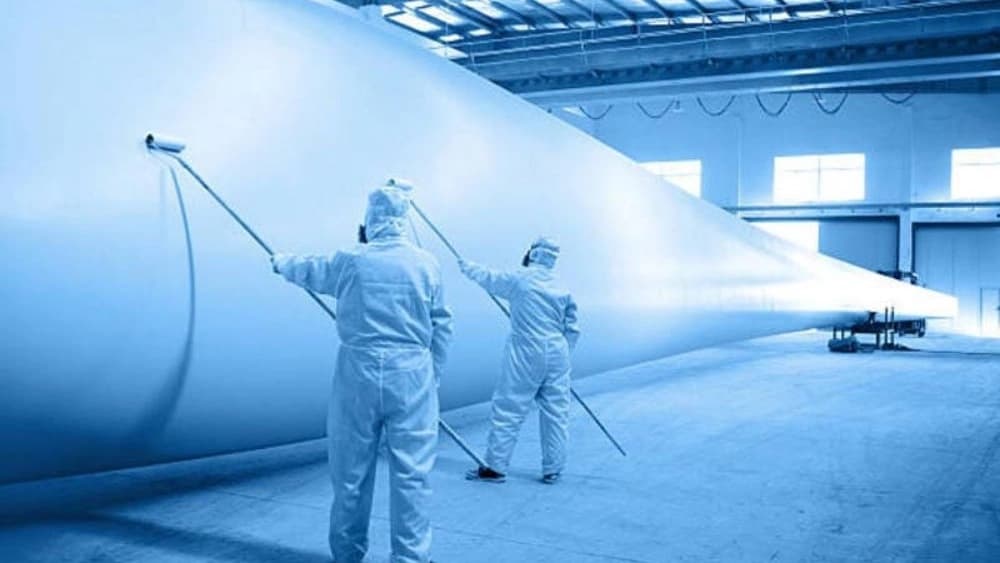
ویژگی های عناصر تشکیل دهنده رنگهای صنعتی
Types of industrial paint usually consist of different compounds that have their own characteristics. The main elements in the composition of these colors are:
Pigment
These elements are solid color substances that are used in the form of small particles in paints. They are used to create the desired color and create specific particle sizes in the paint.
Base material
These materials act as a transport medium for the pigments and help the pigments stick to the desired surface. These materials include various chemical solvents such as water, alcohol, oil and other chemicals.
Mixing ingredients
These materials are added to improve the benefits such as strength, softness, mechanical properties and other properties of paints. These materials can include resins, epoxies, polyamides, and other various chemicals.
Anti -corrosion
Some industrial paints contain substances such as antioxidants and other protective substances that are used to prevent corrosion and damage to surfaces. These constituent elements are combined with each other and help the surfaces to resist different conditions and contribute to the useful life of the surfaces.